

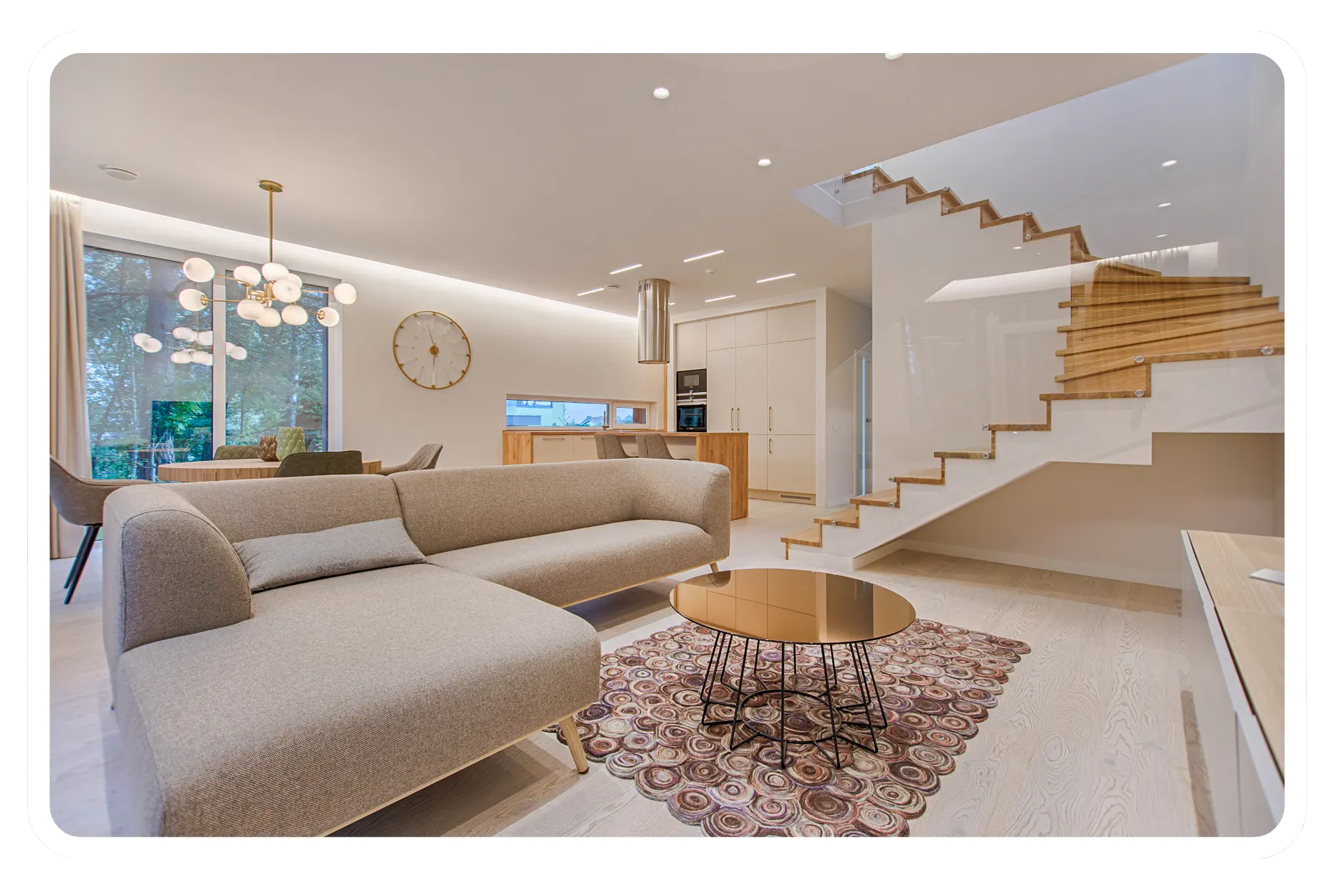
Furniture design is becoming an important part of modern interior and product design industries. A professional furniture design course helps students understand how furniture is planned, developed, manufactured, and presented for different environments and user needs.
The course combines creativity with technical understanding. Students learn about materials, ergonomics, construction methods, digital visualization, and modern furniture trends through practical training and studio-based projects.
Wisdom College for Creativity & Design offers industry-oriented design education focused on practical learning, portfolio development, software training, and creative skill building for students interested in furniture and interior design careers.
What is a Furniture Design Course?
A furniture design course teaches students how to create functional and visually balanced furniture for residential, commercial, and public spaces.
The program focuses on:
- Furniture concepts
- Ergonomics
- Material selection
- Construction techniques
- Furniture styling
- Technical drawing
- 3D visualization
- Space functionality
Students learn how furniture affects comfort, usability, movement, and overall interior aesthetics. The course also introduces production methods and sustainable design practices used in the modern furniture industry.
Practical assignments help students move from concept sketches to finished furniture models and presentations.
Why Choose a Furniture Design Course?
Furniture design is a growing field connected to interior design, architecture, retail, and product development.
Modern consumers look for furniture that is:
- Functional
- Space-efficient
- Sustainable
- Comfortable
- Visually appealing
This creates demand for trained furniture designers who understand both creativity and technical execution.
Students choosing this field gain opportunities to work on:
- Residential furniture
- Office systems
- Modular furniture
- Luxury furniture
- Retail display units
- Hospitality furniture
The course also helps students improve visualization and presentation skills required for professional design projects. Its helps students just like a course in modular kitchen from WCCD helps in understanding about modern kitchens.

Furniture Design Course Details
The curriculum combines design theory with practical workshops and technical learning.
Students learn through:
- Studio assignments
- Furniture sketching
- CAD exercises
- Model-making
- Material workshops
- Design presentations
- Live projects
The course structure gradually builds conceptual understanding and practical problem-solving abilities.
Students are encouraged to experiment with shapes, materials, textures, and construction systems while understanding usability and manufacturing limitations.
Subjects in Furniture Design
Furniture design programs usually include subjects such as:
- Furniture construction
- Ergonomics
- Material studies
- Product sketching
- Technical drawing
- Furniture styling
- CAD for furniture design
- Interior space planning
- Sustainable design
- Design communication
Assignments help students understand how furniture interacts with users and interior environments.
Students also learn about proportions, dimensions, comfort, and functionality during the design process.
Software Training in Furniture Design
Digital tools are widely used in furniture design and visualization.
Students are commonly trained in:
- AutoCAD
- SketchUp
- 3D modeling software
- Rendering tools
- Product visualization software
Software knowledge improves presentation quality and technical precision.
Employers and clients often expect designers to present furniture concepts digitally before production begins.
Eligibility for Furniture Design Courses
Most furniture design programs accept students who have completed Class 10 or Class 12 depending on course type and institution guidelines.
Students from Arts, Commerce, and Science backgrounds can usually apply.
Admission processes may include:
- Application form submission
- Academic review
- Portfolio discussion
- Creative assessment
- Personal interview
Some institutions focus more on creativity and design interest rather than previous technical experience.
Students should review official admission requirements before applying.
Skills Required for Furniture Design
Furniture designers must combine creativity with technical understanding.
Strong observation and practical thinking help students perform well in this field.
Important skills include:
- Creative visualization
- Sketching
- Technical understanding
- Material awareness
- Problem-solving
- Attention to detail
- Communication skills
- Space understanding
- Design presentation
Furniture designers also need awareness of current interior trends and user preferences.
Practical workshops and consistent project work help students improve these abilities over time.
Career Scope After Furniture Design Courses
Furniture design offers opportunities across multiple industries connected to interiors, retail, manufacturing, and product development.
Graduates can work with:
- Furniture brands
- Interior design studios
- Architecture firms
- Product design companies
- Retail display agencies
- Manufacturing companies
The field also supports entrepreneurship and custom furniture businesses.
Career Opportunities in Furniture Design
Popular job roles include:
- Furniture Designer
- Product Designer
- CAD Designer
- Interior Furniture Consultant
- Retail Display Designer
- Furniture Stylist
- Space Planner
- Design Consultant
Some professionals later specialize in luxury furniture, modular systems, sustainable furniture, or workspace design.
Furniture Design Salary and Industry Growth
Salary depends on:
- Skills
- Portfolio quality
- Software expertise
- Industry experience
- Project exposure
- Specialization
Designers with strong technical and visualization skills often receive better opportunities.
India’s growing real estate, hospitality, and modular furniture industries continue increasing demand for trained furniture professionals.
Why Practical Learning is Important in Furniture Design
Furniture design is highly practical and execution-focused.
Students improve faster when they work on:
- Model-making
- Material testing
- Furniture layouts
- Construction systems
- Prototype development
- Digital visualization
Hands-on learning helps students understand dimensions, usability, balance, and structural limitations more effectively.
Practical exposure also improves portfolio quality, which plays an important role during placements and freelance opportunities.
Why Choose Wisdom College for Creativity & Design?
Wisdom College for Creativity & Design focuses on practical design education supported by studio learning, technical workshops, and portfolio development.
Students receive exposure to modern design methods through project-based learning and software training.
The institution emphasizes:
- Industry-oriented learning
- Creative development
- Technical training
- Visualization skills
- Portfolio building
- Practical assignments
The learning environment helps students prepare for professional design careers through real-world project exposure and collaborative learning.
How to Apply for a Furniture Design Course
Students interested in furniture design should prepare application materials carefully before admission deadlines.
The admission process generally includes:
- Submit application form
- Upload academic documents
- Attend interview or assessment
- Present creative work if required
- Complete admission confirmation
Students should organize sketches, creative projects, or portfolios professionally if requested during admission.
Frequently Asked Questions
What is a furniture design course?
It is a professional interior design program focused on creating functional and visually balanced furniture for different interior environments.
Can I pursue furniture design after 12th?
Yes. Students from Arts, Commerce, and Science streams can usually apply depending on institution guidelines.
What software is taught in furniture design courses?
Most programs include AutoCAD, SketchUp, 3D modeling, and rendering software.
Is furniture design a good career?
Yes.
Furniture design offers opportunities in interior design, product development, retail, and manufacturing industries.
What skills are important for furniture designers?
Creative thinking, visualization, material understanding, technical drawing, and presentation skills are important.
