

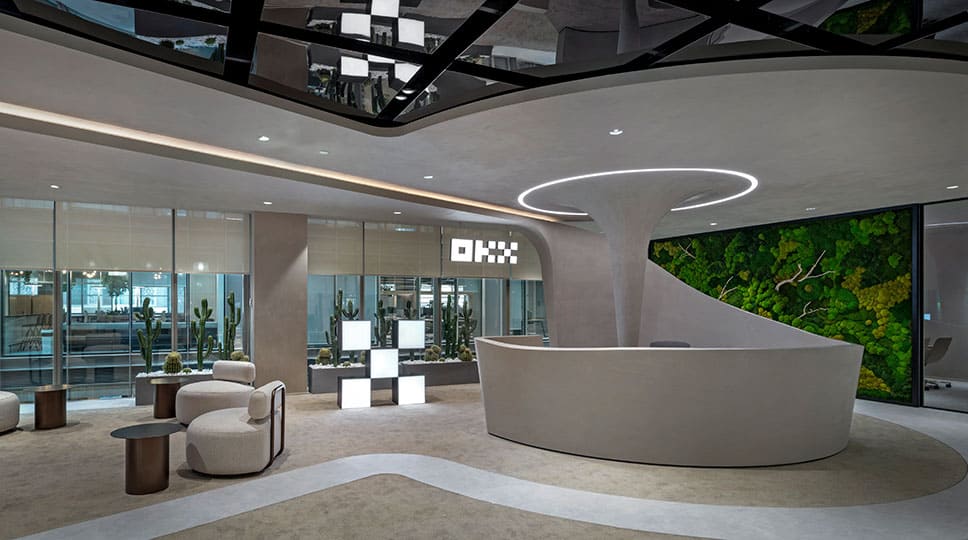
Choosing a fit-out partner is one of the most important decisions a business makes when developing a commercial property. The right company can simplify the process, control construction quality, coordinate multiple specialists, and translate an ambitious design into a practical environment. The wrong choice can result in delays, budget increases, communication problems, and disappointing workmanship. For this reason, businesses should carefully evaluate interior fit out companies in UAE before appointing a project partner.
The UAE’s construction and property market includes projects of many different types and scales. An office refurbishment requires a different approach from a luxury hotel, restaurant, retail store, clinic, or educational facility. Businesses should therefore look for experience relevant to their specific requirements.
Start with Your Project Requirements
Before approaching contractors, define what the project needs to achieve.
Consider the property’s size, intended use, number of users, preferred design style, expected completion date, technology requirements, operational needs, and approximate budget.
Having a clear project brief makes it easier to compare proposals.
It also helps contractors understand the scope and provide more accurate estimates.
Review Relevant Experience
A company’s portfolio can reveal its design and construction capabilities. However, businesses should focus on relevant experience rather than simply counting completed projects.
A company experienced in office interiors may not necessarily have the specialist knowledge required for a complex hospitality project.
Look for projects with similar requirements, scale, technical complexity, and quality expectations.
Evaluate the Design Approach
Every company has a different creative approach. Some specialise in minimal contemporary interiors, while others focus on luxury, hospitality, industrial, or corporate environments.
The selected partner should understand the desired aesthetic while also being willing to adapt to the client’s brand and operational requirements.
Good design should reflect the business rather than simply reproduce a fashionable style.
Examine Technical Capability
Design is only one part of the process. Technical execution determines whether the concept becomes a successful finished space.
Ask about experience with electrical systems, mechanical services, lighting, fire protection, joinery, ceilings, flooring, partitions, technology integration, and other relevant requirements.
The company should demonstrate an understanding of how these elements interact.
Communication Is Essential
Commercial projects involve many decisions. Materials, layouts, colours, lighting, furniture, technical systems, and construction details may all require approval.
Poor communication can quickly create confusion.
A strong project team should provide clear updates, identify issues early, explain options, and document important decisions.
Compare Quotations Carefully
Businesses should avoid choosing a contractor based solely on the lowest price.
Two quotations may appear different because their scopes, materials, specifications, exclusions, and assumptions are different.
Before comparing costs, ensure that each proposal covers similar requirements.
Important questions include:
- What materials are included?
- Are design services included?
- Are approvals included?
- Is furniture included?
- What is excluded?
- What is the estimated project duration?
- How are variations handled?
- What warranties are provided?
Understand the Project Timeline
Time is particularly important for commercial projects. A delayed opening can affect revenue, marketing campaigns, staffing, lease commitments, and customer relationships.
The contractor should provide a realistic programme covering design, approvals, procurement, construction, testing, and handover.
A good schedule should also identify important milestones.
Mid-Project Coordination
During implementation, interior design and fit out companies in Dubai may need to coordinate numerous teams simultaneously. This can include civil contractors, electricians, plumbers, HVAC specialists, carpenters, painters, flooring installers, glass contractors, furniture suppliers, and technology providers.
The project manager plays an important role in ensuring that each activity is completed at the appropriate stage.
Site Management
Regular site supervision can have a major effect on quality.
A well-managed site should maintain organised workflows, appropriate safety practices, material protection, cleanliness, and quality control.
Clients should understand who will supervise the project and how often progress will be reviewed.
Material Quality
The finished appearance depends heavily on materials and workmanship.
Businesses should approve samples where appropriate and verify that installed products match the agreed specifications.
Material substitutions should not be made without proper approval.
This is particularly important for high-visibility finishes, flooring, decorative surfaces, lighting fixtures, and custom joinery.
Custom Joinery
Custom joinery is often a significant part of commercial interiors. Reception counters, storage systems, display units, kitchen cabinetry, wall features, and bespoke furniture may need to be manufactured specifically for the project.
Measurements and drawings should be checked carefully before fabrication begins.
Good coordination between design and manufacturing can reduce errors and installation problems.
Handover and Aftercare
A professional fit-out partner should remain involved through handover.
The final inspection should identify outstanding work, defects, adjustments, and cleaning requirements.
Depending on the project, the client may also require warranties, maintenance information, product manuals, and technical documentation.
Aftercare is important because some issues only become apparent once the space is occupied.
Designing for Business Growth
A commercial interior should not only serve today’s requirements. Businesses should consider how the space might change in the future.
For offices, this may mean planning for additional employees. Retailers may need adaptable display systems. Restaurants may require flexible seating arrangements.
Future-oriented planning can make later modifications easier and less expensive.
Sustainability and Efficiency
Businesses can also ask potential contractors about sustainable practices.
Energy-efficient lighting, durable materials, responsible procurement, waste reduction, and efficient systems can contribute to lower operating costs and a more environmentally responsible workplace.
Sustainability should be considered according to the project’s actual requirements rather than treated simply as a marketing feature.
Questions to Ask Before Appointment
Before signing an agreement, businesses should ask:
- How much experience do you have with similar projects?
- Who will manage the project?
- What services are included?
- What is excluded?
- How will design changes be handled?
- How will project delays be managed?
- What quality-control procedures are used?
- How are materials approved?
- What warranties are offered?
- What documentation is provided at handover?
Clear answers can help prevent misunderstandings later.
Building a Long-Term Relationship
The best fit-out relationships can continue beyond a single project. Businesses may later require refurbishment, expansion, maintenance, or additional locations.
Choosing a reliable partner can therefore provide long-term value.
A contractor who understands the company’s brand and operational requirements may be able to deliver greater consistency across future projects.
Final Thought
Selecting the right fit-out partner requires careful consideration of experience, design capability, technical knowledge, project management, communication, quality, budget control, and aftercare.
The goal should not simply be to complete construction. It should be to create a space that performs well, represents the brand, supports employees or customers, and remains valuable over time. By partnering with experienced interior design companies in UAE, businesses can approach commercial interior development with greater confidence and turn their vision into a functional, distinctive, and future-ready environment.
