

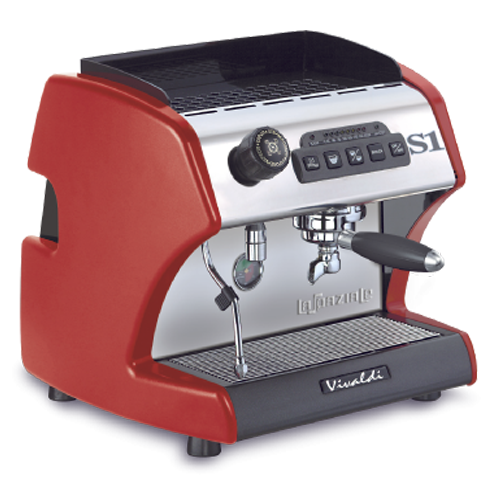
The journey from coffee bean to finished beverage involves several important stages, including grinding, measuring, brewing, and serving. Modern technology has simplified this process considerably, making an automatic coffee machine a useful choice for businesses and workplaces that value convenience, speed, and consistency.
Understanding the Coffee Preparation Process
Coffee quality depends on several variables. Bean freshness, grind size, water temperature, extraction time, and serving quantity can all influence the final result.
Automation helps control many of these variables, making the process easier for inexperienced users and more consistent for professional teams.
Grinding the Beans
Grinding coffee immediately before brewing can help retain its aroma. The grind size also affects extraction, making appropriate adjustment important.
Some modern systems allow users to modify grinding settings according to the desired beverage.
Brewing the Beverage
During brewing, water interacts with ground coffee to extract flavour compounds. Temperature and contact time influence the resulting taste.
Automated systems are designed to manage these parameters consistently.
The Importance of Consistency
For businesses, consistency can be just as important as flavour.
A customer who orders the same beverage regularly expects a familiar experience. Automated preparation reduces differences caused by changing operators or inconsistent manual measurements.
Supporting Brand Reputation
Restaurants, cafés, hotels, and offices can benefit from reliable beverage quality. Consistency can contribute to customer satisfaction and reinforce the overall impression of a business.
Improving Customer Service
Fast beverage preparation can make a difference during busy service periods.
Shorter Waiting Times
Customers generally appreciate efficient service. Automated preparation can reduce the time required for routine beverages and help staff process orders more quickly.
Easier Staff Training
Employees do not necessarily need extensive coffee-making experience to operate straightforward automated equipment. This can simplify training, particularly in businesses with frequent staff changes.
Applications Across Commercial Settings
Restaurants and Cafés
Coffee can be served alongside breakfast, desserts, or after-meal dining. Reliable equipment helps staff maintain beverage service throughout operating hours.
Hotels
Hotels can use coffee equipment in breakfast areas, lounges, conference rooms, and guest facilities.
Offices
Workplaces can provide employees with convenient access to beverages throughout the day.
Events and Catering
Catering teams can benefit from equipment that reduces manual preparation while supporting consistent service during events.
Hygiene and Equipment Care
Good maintenance is essential for any food-service equipment.
Coffee residue, oils, milk deposits, and mineral buildup can affect performance and beverage quality when cleaning is neglected.
Establishing Cleaning Procedures
Businesses should create simple cleaning routines and assign responsibility to trained employees.
Daily cleaning can help maintain hygiene, while deeper maintenance should follow the manufacturer’s recommendations.
Protecting Equipment
Correct cleaning methods can help prevent unnecessary wear. Operators should avoid using unsuitable chemicals or abrasive materials unless specifically approved by the manufacturer.
Selecting Equipment for a Professional Kitchen
A suitable system should fit the kitchen’s operational requirements rather than simply offering the greatest number of features.
Businesses should consider capacity, dimensions, beverage options, user interface, maintenance requirements, energy consumption, and after-sales support.
Space Planning
Counter space can be limited in commercial kitchens. Equipment should be positioned where it can be accessed easily without disrupting food preparation.
Workflow Integration
Coffee preparation should connect logically with storage, serving, cleaning, and ingredient areas.
Businesses purchasing utensils, storage products, serving equipment, and kitchen accessories Dubai suppliers provide should plan these items together to create an organised work environment.
Technology and Energy Efficiency
Modern equipment may incorporate energy-saving features that reduce power consumption during inactive periods.
Businesses should also monitor equipment usage and avoid leaving systems operating unnecessarily when they are not required.
Calculating Long-Term Value
A coffee system should be assessed over its expected service life rather than only by its purchase price.
Operating expenses may include:
- Electricity
- Coffee beans
- Milk and other ingredients
- Water filtration
- Cleaning products
- Maintenance
- Replacement components
A reliable model that performs efficiently and receives proper maintenance may provide stronger value over time.
Avoiding Common Problems
Poor maintenance, incorrect settings, excessive workload, and unsuitable installation can reduce equipment performance.
Businesses should follow manufacturer instructions and train operators before allowing them to use the equipment independently.
The Future of Commercial Coffee Preparation
Technology will likely continue making beverage preparation more connected, customisable, and efficient. Businesses can expect equipment to become increasingly focused on user convenience, energy efficiency, consistency, and simplified maintenance.
However, technology alone does not guarantee quality. Good ingredients, proper cleaning, appropriate settings, and trained operators remain essential.
Final Thought
Automated coffee preparation can simplify the journey from bean to cup while supporting consistent quality, faster service, and efficient staff workflows. Businesses should select equipment based on actual operational requirements and maintain it carefully. When integrated with essential commercial appliances such as a blast freezer, storage systems, preparation tools, and other kitchen equipment, it can become a valuable part of a well-organised professional food-service operation.
